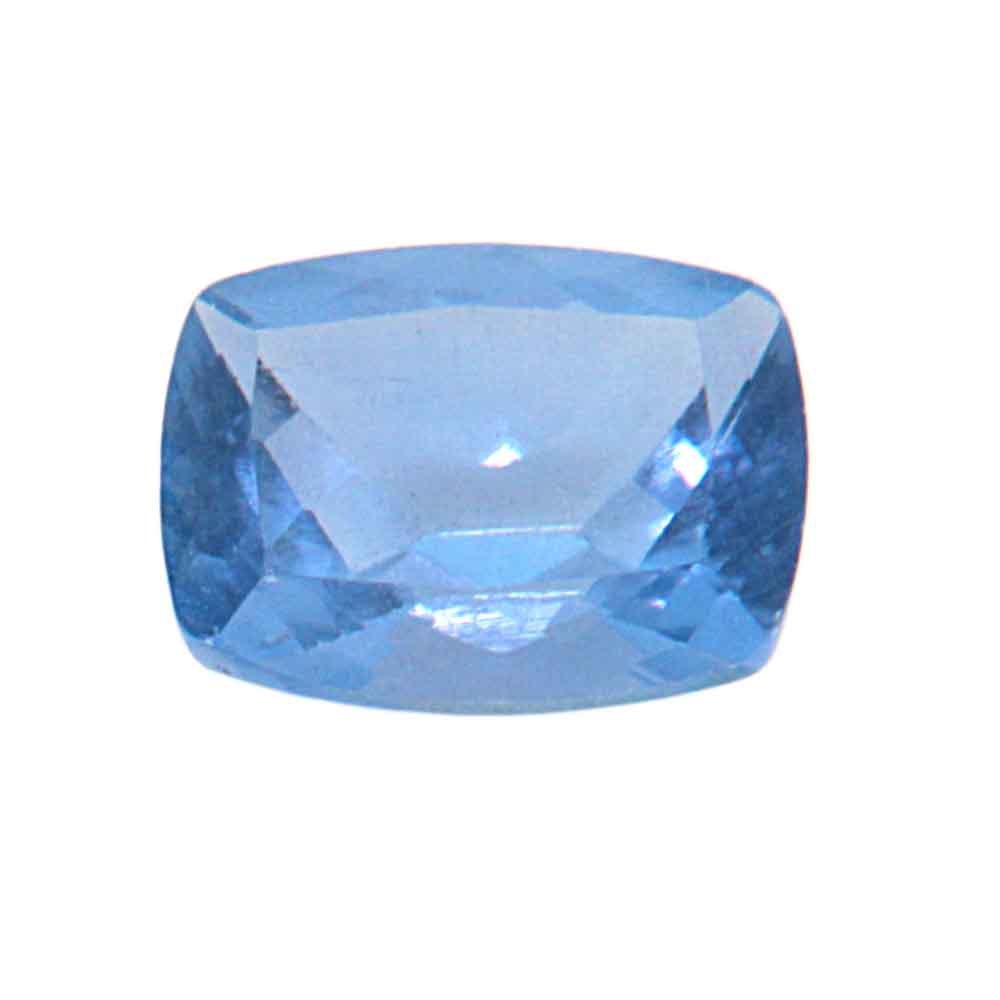
The stone that named a glow
Many fluorite crystals light up blue or violet under a UV lamp, and that glow gave science one of its everyday words. Not every fluorite does it, so gemmologists never rely on fluorescence alone to identify it, but the link between the stone and the word has stuck for more than 170 years.
Some English fluorite goes further. Green crystals from the Rogerley mine in Weardale, County Durham, glow bright under UV and even take on a purple tint in ordinary sunlight. GIA’s Gems & Gemology describes this “daylight fluorescence” and links it to traces of rare earth elements.
The name itself is older. It comes from the Latin fluere, to flow, because fluorite was added to furnaces to help ores melt. The element fluorine was later named after the mineral.
Blue John: Derbyshire’s own fluorite
Near Castleton, in Derbyshire’s Peak District, fluorite grows in bands of deep purple, blue and creamy yellow. It is called Blue John, and Gem-A describes it as unique to Great Britain. It has been found there since around 1700 and worked as an ornamental stone from the mid-18th century.
Georgian craftsmen turned it on lathes into vases, urns and candelabra. Matthew Boulton mounted it in gilt bronze in Birmingham, and examples survive at Chatsworth House and Kedleston Hall. The Natural History Museum in London holds the largest Blue John vase ever made. Small amounts are still mined today, mostly for jewellery.
Each vein has its own pattern, and miners gave the larger ones names such as Millers Vein and Bull Beef. Much of today’s Blue John is recovered as loose pieces washed from the clay on cave floors. It is a small, local, hand-won material, which is why a genuine piece carries a story as well as a colour.
Every colour, sometimes all at once
Few minerals come in as wide a range of colours as fluorite: purple, green, blue, yellow, pink, colourless and more. Crystals are often zoned, with layers of colour stacked inside one stone. Cut across those layers, it is sold as rainbow fluorite, a favourite for beads and cabochons.
The trade-off is softness. At 4 on the Mohs scale, with perfect cleavage in four directions, fluorite is one of the gentlest stones used in jewellery. That is why faceted fluorite is mostly a collector’s gem, and why it shines in earrings, pendants and carvings.
Fluorite also grows in beautiful shapes: sharp cubes and eight-sided octahedra, often twinned. Its perfect cleavage means a cube of fluorite can be cleaved into a neat octahedron, which is why fluorite octahedra are so common in collections. Compared with harder blues such as tanzanite, it is a stone for display and occasional wear.
The facts
- Mineral family
- Halide (fluorite group)
- Chemical formula
- CaF₂
- Mohs hardness
- 4
- Refractive index
- 1.432–1.434
- Specific gravity
- About 3.18 (3.00–3.25)
- Crystal system
- Cubic (isometric)
- Colours
- Purple, green, blue, yellow, pink, colourless; often banded
- Main sources
- China, England, USA, Canada, Peru, Switzerland, Colombia
- Birthstone
- —
- Common treatments
- Heating, irradiation, resin impregnation, coating
What makes a good fluorite
Fluorite is valued for colour first. Strong, clear purple, green and blue lead the market, and sharp, well-defined bands make rainbow fluorite more appealing. Clarity matters for faceted stones; cabochons and beads can carry more inclusions.
Because fluorite is soft and splits easily, the cutting and polish tell you a lot about quality. Look for crisp edges and no chips at the corners. For finished beads, see our strands and beads.
- Pick saturated colour, or crisp bands in rainbow fluorite
- Check edges and drill holes for chips and cleavage cracks
- Ask whether colour has been irradiated or the stone stabilised with resin
- Banded purple fluorite with green layers is not Derbyshire Blue John
- Very bright, bubble-filled “fluorite” beads may be glass
Keeping it beautiful
Treat fluorite gently. It scratches easily, can split with a sharp knock, and some colours fade in strong light. It is also slightly soluble in water, so it should never be left soaking.
- Wipe with a damp cloth and mild soap; never soak
- Never use ultrasonic or steam cleaners
- Keep out of long, direct sunlight
- Store alone, away from harder gems
- Choose earrings and pendants over rings
Fluorite, from D’sire
At our Hong Kong bench, three decades of work have taught us to cut soft stones such as fluorite with patience. We supply cut and calibrated stones and strands for the trade, and we can source and cut it to your sizes for private label collections.
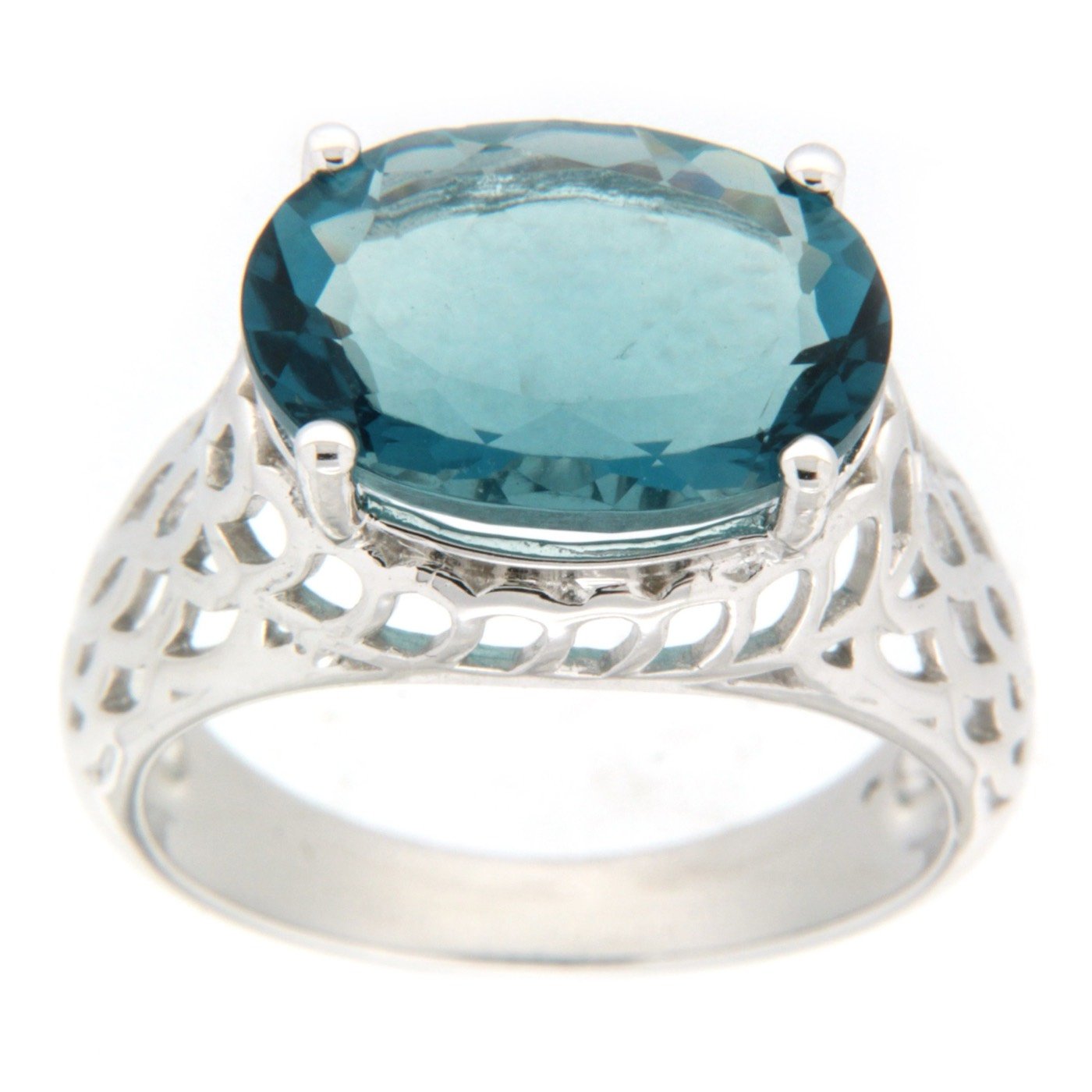
Sterling Silver Teal Green Fluorite Ring

Sterling Silver Teal Green Fluorite Ring
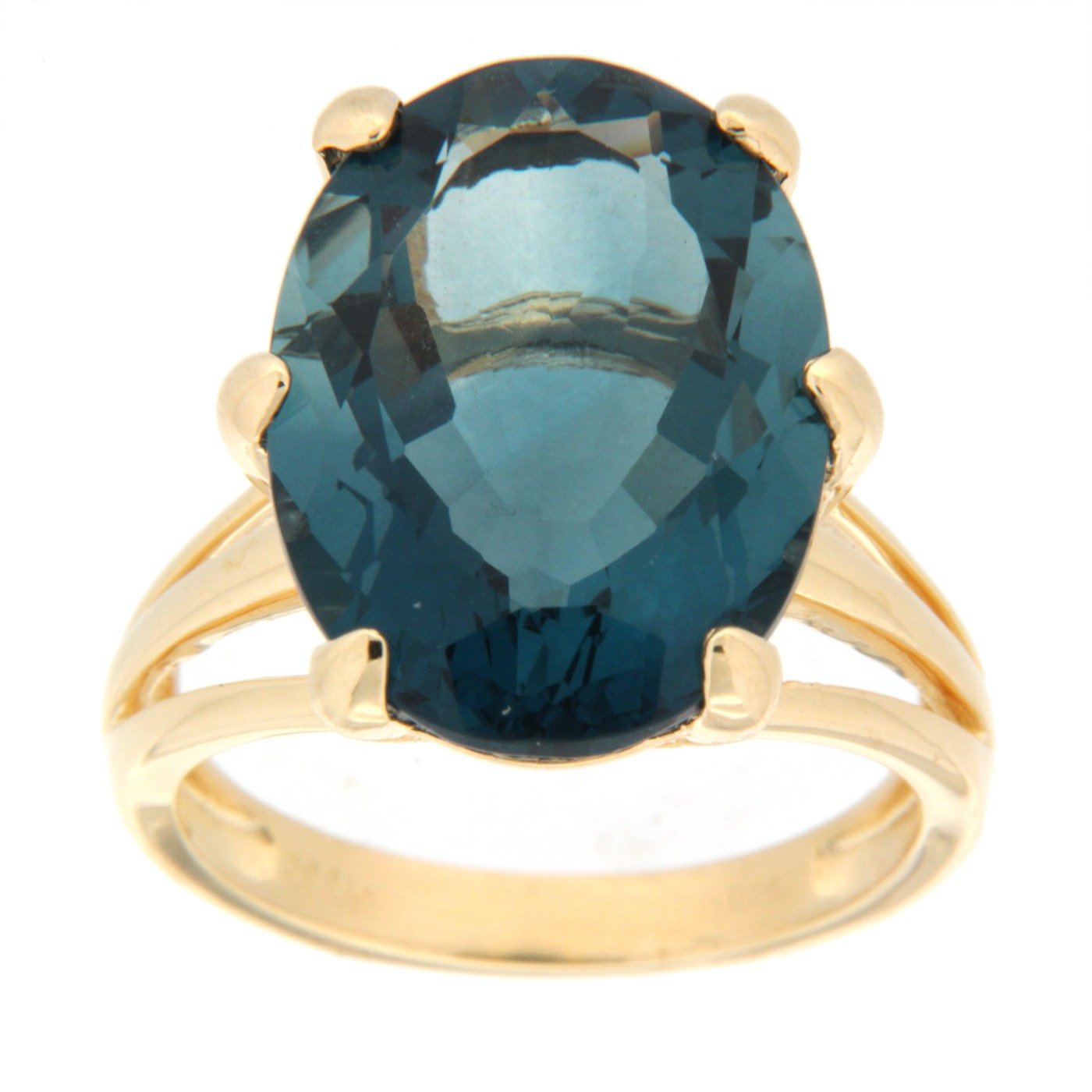
Sterling Silver Teal Green Fluorite Ring

Sterling Silver Teal Green Fluorite Ring
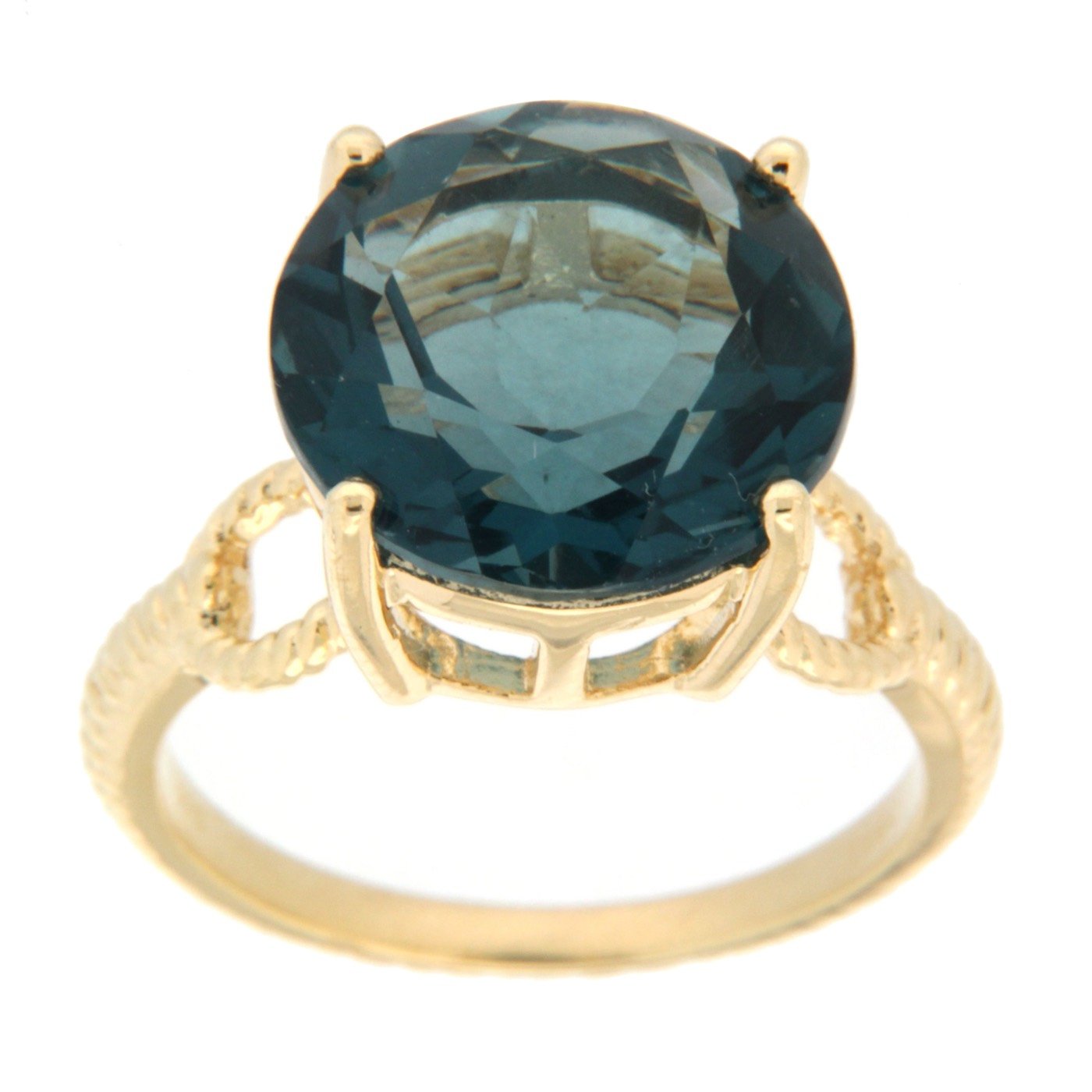
Sterling Silver Teal Green Fluorite Ring
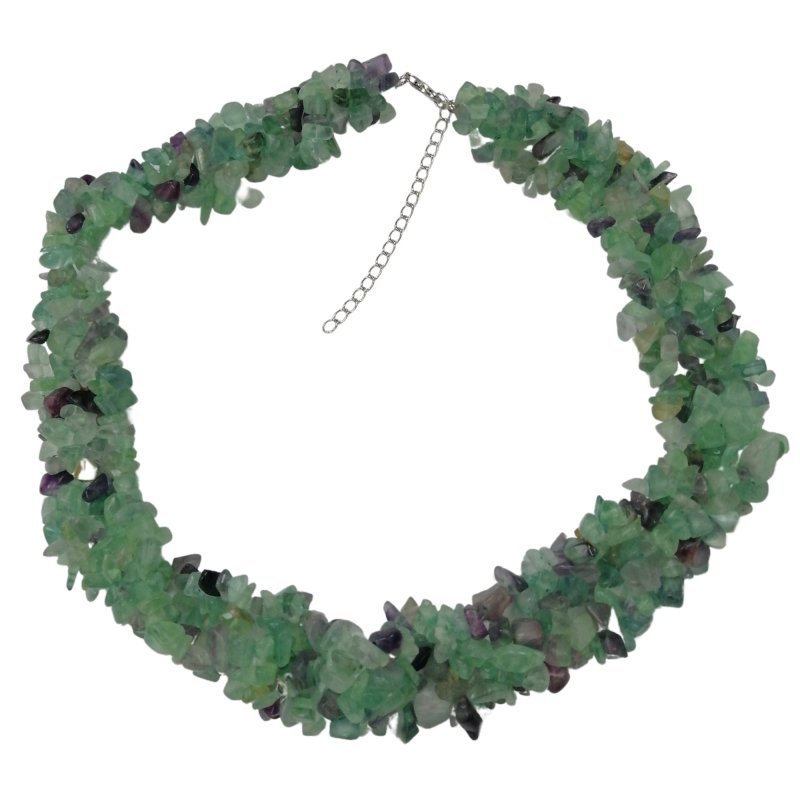
Multi Fluorite Gemstone Chips Necklace
Fluorite FAQs
Is fluorite good for jewellery?
Yes, with care. Fluorite is soft (4 on the Mohs scale) and has perfect cleavage, so it suits earrings, pendants and beads better than everyday rings.
What is rainbow fluorite?
Rainbow fluorite is fluorite with several colour bands, usually purple, green and blue, in one stone. It is cut to show the layers side by side.
Is fluorite valuable?
Most fluorite is affordable. Clean faceted stones with rich colour, rare colours such as pink, and genuine Blue John command higher prices.
Why does fluorite glow?
Traces of other elements in the crystal absorb ultraviolet light and release it as visible light. The effect, fluorescence, is named after fluorite.
Can fluorite get wet?
A quick wipe with a damp cloth is fine. Do not soak it, because fluorite is slightly soluble in water and can lose its polish.
Checked against
Every fact on this page was checked against these references. Gem science moves on, so if you spot something out of date, tell us.
- Fluorite Value, Price, and Jewelry InformationInternational Gem Society
- Quarterly Crystal: Bubble in FluoriteGIA Gems & Gemology
- British Gems: What Gemstones Can Be Found in Great Britain?Gem-A
- Blue John (Corsi Collection, stone 543)Oxford University Museum of Natural History
- Fabulous Fluorite: Derbyshire Blue JohnDeposits Magazine