A gem named after a banker
Around 1910, a new source of rose-coloured beryl was found in Madagascar, and Tiffany & Co. introduced the stone to American buyers. George Kunz, the company's chief gemmologist, proposed a name for it at a meeting of the New York Academy of Sciences on 5 December 1910.
He chose to honour J.P. Morgan, one of the great gem collectors of the early 1900s and a generous donor of gems to the American Museum of Natural History in New York and the natural history museum in Paris. According to GIA, magenta-toned rough from those first Madagascar deposits still sets the colour standard for morganite.
Kunz was curious about the science as well as the name. He recorded that morganite glows an intense red under X-rays, then stops the moment the source is switched off.
Morganite meaning and the beryl family
Morganite is the pink to orange-pink member of the beryl family, alongside emerald and aquamarine. Its colour comes from traces of manganese. Before Kunz gave it a name, it was simply called pink or rose beryl.
You may see it sold as "pink emerald". The International Gem Society advises against that name: morganite is its own variety of beryl, and the label only confuses buyers. Near-colourless beryl offered as morganite should properly be called goshenite.
Unlike older gems, morganite has no ancient lore. Its story is a modern one, of collectors, museums and a soft colour that suits both rose and yellow gold.
Big crystals, soft colour
Beryl can grow to remarkable sizes. GIA reports Brazilian morganite crystals weighing more than 10 kilograms. On 7 October 1989 a crystal of just over 50 pounds was found in a quarry at Buckfield, Maine, and became known as the Rose of Maine.
Minas Gerais in Brazil and Madagascar remain the classic sources, with material also coming from Afghanistan, Mozambique, Namibia, Pakistan and the United States. Because the colour is delicate, the quality of the cut matters as much as size when choosing cut and polished stones.
Size is rarely the limit. GIA pictures an untreated pear-shaped morganite of 236.27 carats from old Madagascar stock, which shows how large clean material can be. For most jewellery, though, the sweet spot is a well cut stone whose pink reads clearly in both daylight and evening light.
The facts
- Mineral family
- Beryl
- Chemical formula
- Be₃Al₂Si₆O₁₈
- Mohs hardness
- 7.5–8
- Refractive index
- 1.572–1.600
- Specific gravity
- 2.71–2.90
- Crystal system
- Hexagonal
- Colours
- Pink, peach, salmon, orange-pink, purplish pink
- Main sources
- Brazil, Madagascar, Afghanistan, Mozambique, Namibia, Pakistan, USA
- Birthstone
- —
- Common treatments
- Heating to remove yellow tones (common, stable); occasional irradiation, which can fade
What makes a good morganite
The International Gem Society ranks clean, medium-light to medium pink stones with fine cutting at the top. Peach and salmon shades have their own following, but a clear pink tends to command more. Morganite is usually eye clean, so obvious inclusions lower its value. It makes a gentle centre stone for rings and pendants.
Many stones are gently heated to remove yellow and leave a cleaner pink. That treatment is common and stable. Irradiated colour is less common and can fade in light, so it is worth asking.
- Look for clear pink or peach colour that is not washed out
- Choose an eye-clean stone with a lively cut
- Ask whether it is heated, irradiated or untreated
- Lab-grown hydrothermal morganite exists; a gem laboratory can confirm origin
- Pink glass and other pink gems can imitate it; a gemmologist can test RI and SG
- Avoid the misleading label "pink emerald"
Keeping it beautiful
At 7.5 to 8 on the Mohs scale, morganite suits rings and everyday wear. Keep it away from strong heat: Gemdat notes that its pink fades when heated to around 500°C, far beyond daily life but relevant at a jeweller's torch.
A soft brush, mild detergent and warm water are always safe. Have a gemmologist check for fractures before any mechanical cleaning.
- Clean with warm soapy water and a soft brush
- Ask before using ultrasonic or steam cleaners
- Tell your jeweller it is morganite before any repair work
- Remove rings for sport and heavy work
- Store away from harder stones
Morganite, from D’sire
We work with morganite as cut and calibrated stones for jewellers and brands from our Hong Kong bench. With three decades of sourcing behind us, we can source and cut it to your sizes for a private label collection, a bespoke ring or an heirloom remake.
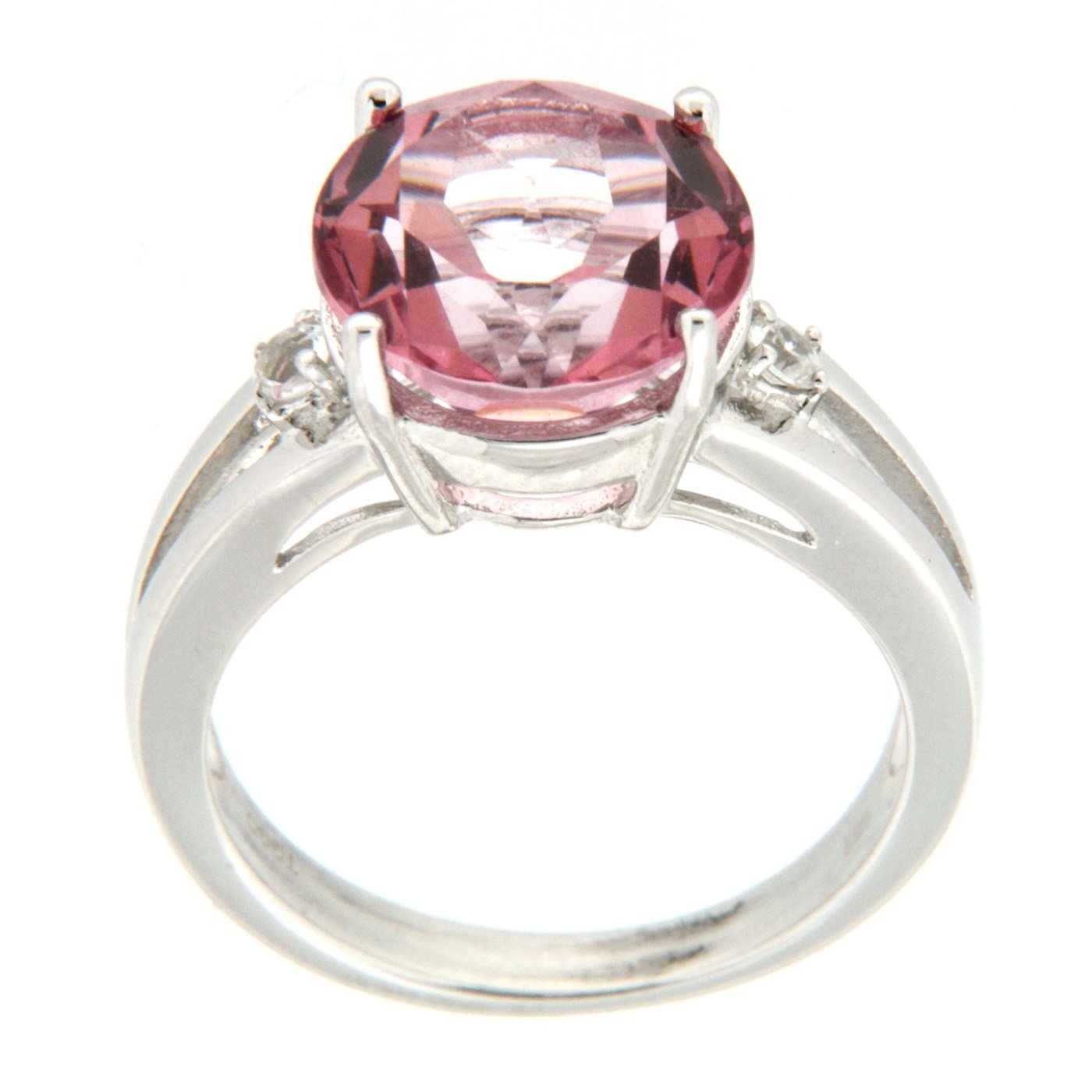
Sterling Silver Morganite Topaz Ring

Sterling Silver Morganite Topaz Ring
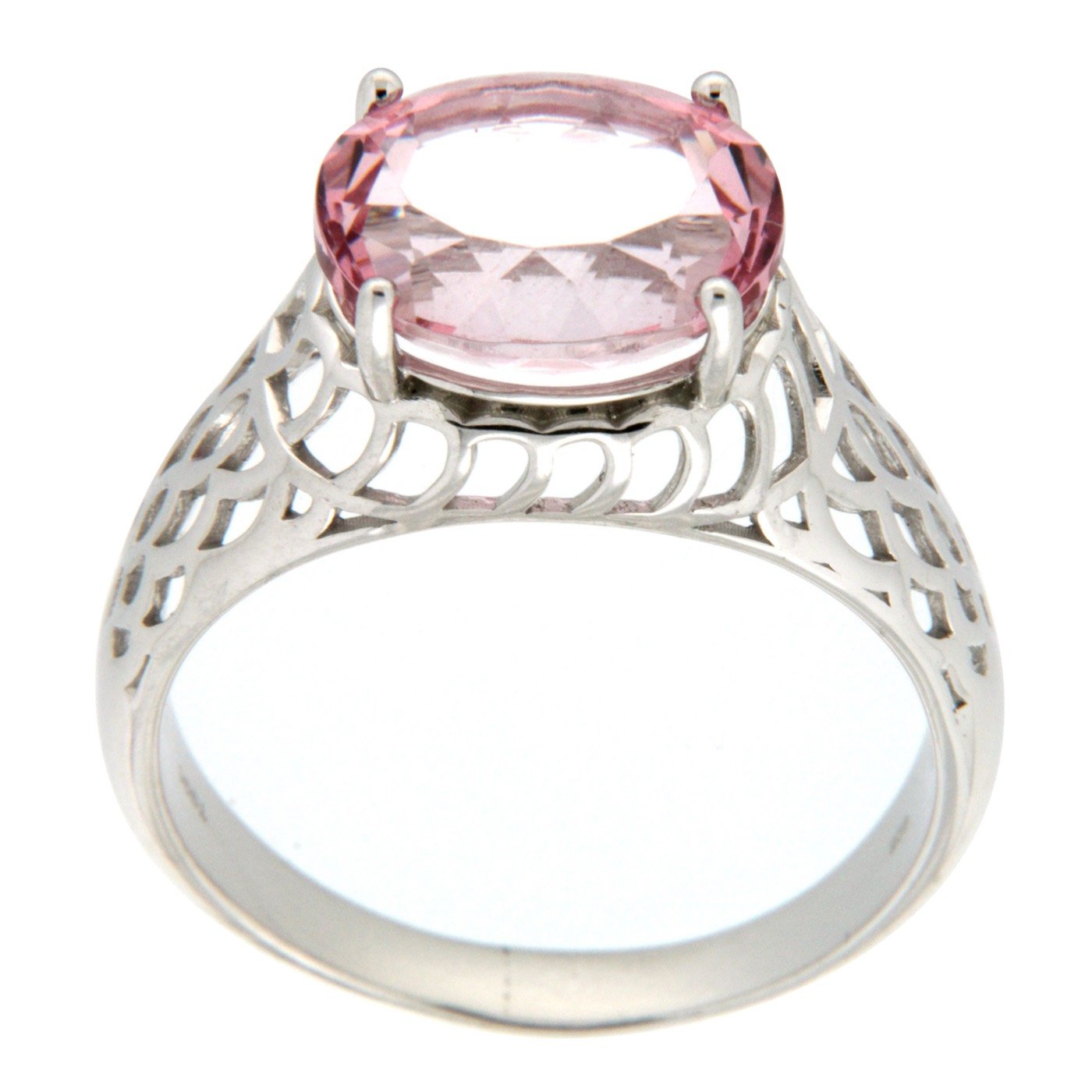
Sterling Silver Morganite Topaz Ring

Sterling Silver Morganite Topaz Ring
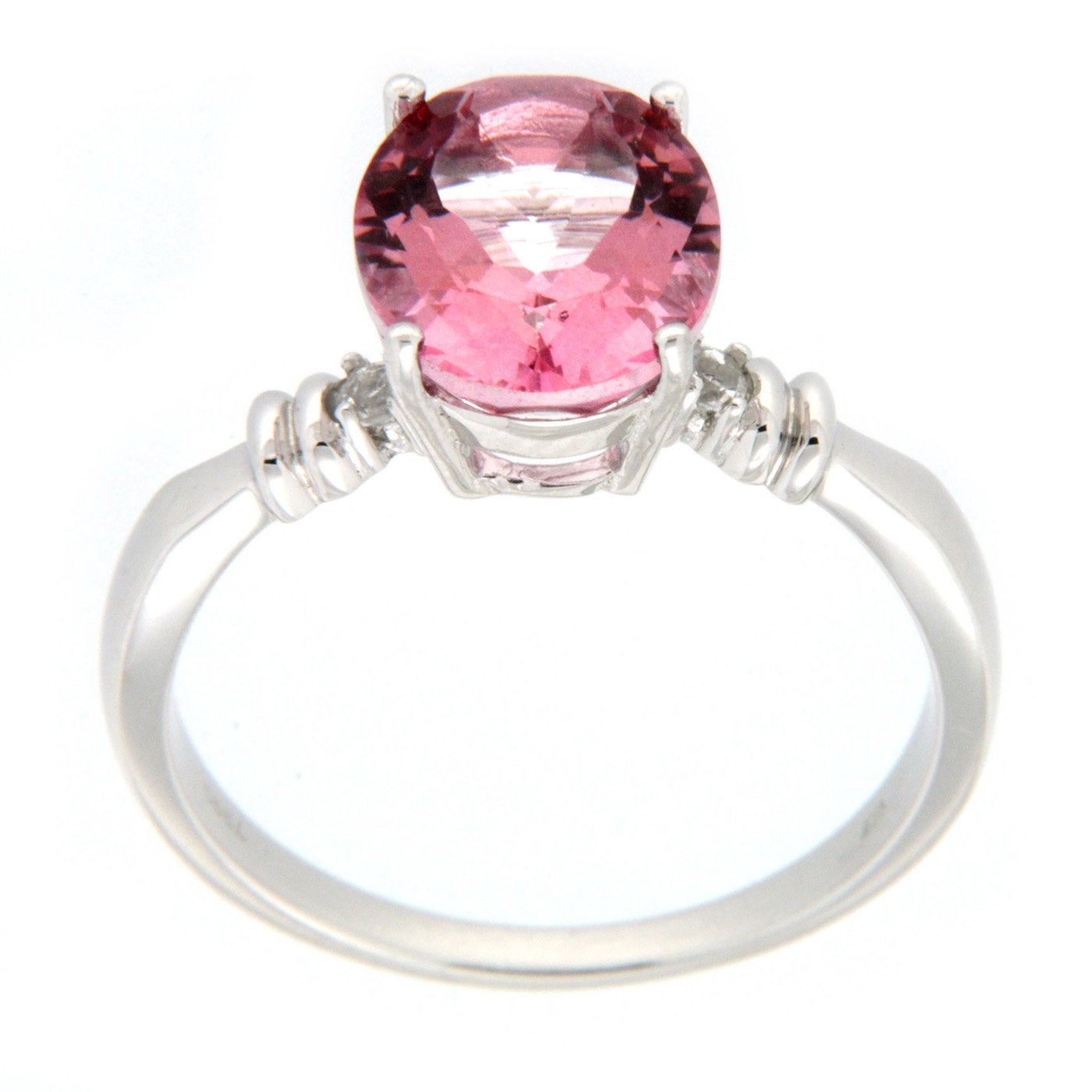
Sterling Silver Morganite Topaz Ring

Sterling Silver Morganite Topaz Ring
Morganite FAQs
Who was morganite named after?
It was named after the American financier and gem collector J.P. Morgan. George Kunz of Tiffany & Co. proposed the name in December 1910.
Is morganite a type of emerald?
No. Morganite and emerald are both beryl, but they are different varieties. The name "pink emerald" is misleading and best avoided.
Is morganite good for an engagement ring?
It is hard enough for daily wear at 7.5 to 8 on the Mohs scale. A protective setting and regular cleaning keep it looking its best.
Is morganite treated?
Many stones are heated to remove yellow tones and leave a purer pink. This is common and stable; irradiated colour is rarer and may fade.
What affects morganite value?
Colour, clarity and cut. Clean, medium pink stones with fine cutting sit at the top, while pale or included stones cost less.
Checked against
Every fact on this page was checked against these references. Gem science moves on, so if you spot something out of date, tell us.
- MorganiteGIA Gem Encyclopedia
- Morganite history and loreGIA
- Morganite value, price and jewelry informationInternational Gem Society
- Morganite gemstone informationGemdat.org